Research During Residency: Lessons, Tactics, and Momentum
A heme/onc applicant's guide to getting involved, staying on track, and actually finishing projects.
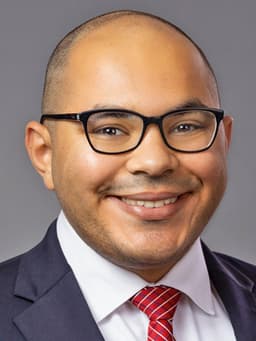
by Dr. Omar Elghawy•October 2, 2025
Hey everyone,
I'm Omar, a PGY-3 resident applying for hematology-oncology this year and someone who happens to do a bit of research. I created this post to reflect on and share my experiences with research during residency. My goal is to help interns and residents navigate the process more efficiently, avoid some of the mistakes I’ve made, and stay on track to reach their goals.
I don't need to tell you that residency is tough. Asking you to spend your limited free time doing research can feel like cruel and unusual punishment. My hope is that this guide makes it all a little more manageable—and maybe even a bit enjoyable.
Background
I went to UVA for medical school, but I have personal ties to the Philly area from high school and undergrad. I knew early on that I wanted to pursue heme/onc, but when I started residency, I didn’t yet know what specific niche I was drawn to. I also didn’t have any connections to Penn faculty, so I started fresh from that standpoint.
Although I had some research experience in med school, I didn’t fully understand how Penn’s research infrastructure worked. That’s why I was particularly excited when Dr. Mahmud became our research APD and launched the Research Hub—it helped make the “hidden curriculum” of research more accessible.
What I’ve Done
As a resident, I’ve published around 40 peer-reviewed manuscripts, attended six conferences, and contributed several videos and blog posts for national organizations. While a few projects were carryovers from med school, the vast majority were started during residency.
My Approach
The most practical way I’ve found to get involved in research is to identify clinical questions during rotations or clinic, then translate those into research questions. For example:
- While reviewing charts on the lymphoma service, I’d ask: “I haven’t seen this treatment used before. What’s the evidence behind it?”
- Or: “This is a strange side effect of treatment X—has it been reported before?”
At worst, I’d learn something new. At best, the question could be refined into a publishable project.
My Advice
1) Pick Your PIs Wisely
Look for faculty who share your clinical interests, have a solid track record of mentoring trainees, and are consistently productive in research. You can ask senior residents or fellows for recommendations—or just PubMed their names. I have never had a PI be upset or offended that I cold emailed them; most responded even if only to say they didn’t have anything available or to suggest others to contact.
Rather than sending a generic “I’m interested in heme/onc research” email, come with a specific project idea and ask if they’d be willing to mentor you. Yes, it requires some upfront work, but it shows initiative and often speeds things up. It also makes your first meeting about your project—not just whatever leftovers the PI has.
2) Choose the Right Projects
Focus on narrow, clinically relevant questions rather than broad, resource‑intensive ones. For example, asking “Do statins reduce the risk of CAD?” won’t get far—it’s been answered by massive studies. Instead, a case series on a rare but relevant clinical phenomenon is more feasible and publishable.
Another high‑yield approach: build a dataset of a well‑defined patient population. Yes, data collection takes time, but you can leverage it for multiple projects.
3) Share (Smartly)
Penn’s research culture has improved significantly in recent years. While I don’t advocate for “buddy pubbing,” collaboration is incredibly valuable. Helping each other with statistics, writing, or data collection can streamline the process. There will be stretches when your schedule blocks you from research—having a colleague keep things moving can be a lifesaver. Just make sure your PI is on board before bringing people on.
4) Lead at Least One Project
It’s crucial to have at least one project that you are intimately involved with and have led from the start to near the finish line before the next step in your training. Beyond understanding how research really works, you’ll be able to speak fluently about the process—the details and the hurdles—when it matters.
5) Pick Projects You Actually Care About
Getting stuck halfway through a project you don’t care about is painful. When the question genuinely intrigues you—regardless of whether the outcome is positive or negative—you’re far more likely to see it through.
6) Create a Narrative
One of my biggest regrets is doing so many unrelated projects that I became a jack‑of‑all‑trades instead of an expert in X. Fellowships (if that’s your goal) care a lot about the story of your application—often as much as the raw productivity.
7) Multi‑Task Strategically
Research involves a lot of waiting—IRB approvals, revisions, data requests. Use that downtime wisely: while one project is pending IRB, start data collection for another; while waiting on revisions, prep a new abstract or finish an intro section. Just be careful not to overcommit; prioritize quality over quantity.
8) Don’t Save It All for Research Elective
Research electives are great for focused work, but don’t rely on them to carry entire projects. Think of research as a marathon, not a sprint. Use short windows—15 minutes on a short call day or 30 minutes during outpatient—to make incremental progress. It adds up.
Final Thoughts
Research during residency is hard, but it’s totally doable. You don’t need to become the next Nobel laureate. If you take ownership of at least one meaningful project, you’ll strengthen your application for the next step—and you’ll get better at critically evaluating the literature that guides your clinical practice.
You’ve got this.
– Omar